Scotland
Scotland offers some of the UK’s most spectacular fishing, from Highland lochs and powerful rivers to productive stillwaters. Whether you’re chasing wild trout, salmon, pike or coarse fish, there’s plenty to explore.
River Clyde - Biggar and upper Clyde
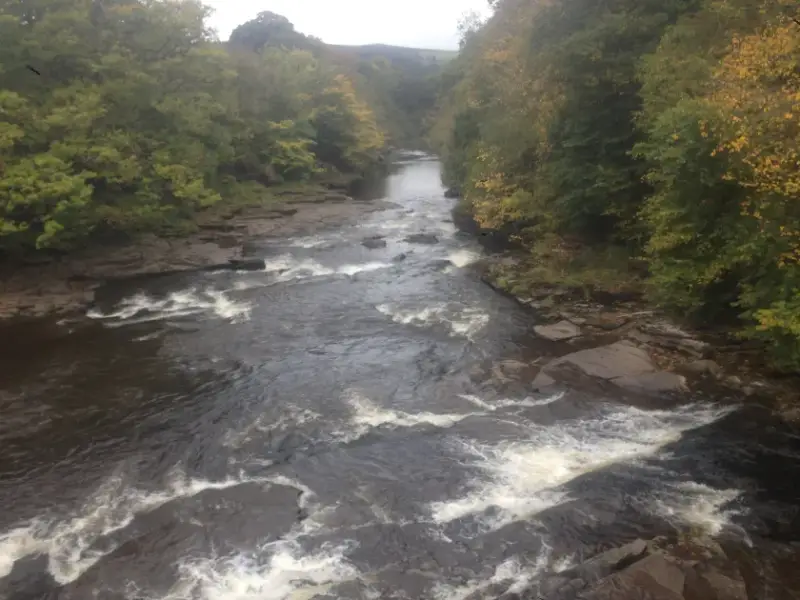
📍 Location: Biggar / Upper Clyde, South Lanarkshire
🐟 Target species: Brown trout, grayling and migratory fish on permitted stretches
🎣 Popular methods: Fly fishing and other methods where permitted
📅 Best time: Brown trout fishing is seasonal; grayling opportunities extend into the autumn and winter on applicable waters.
🎟️ Permits: A permit is required on protected stretches. Always check the specific water and current rules before fishing.
The River Clyde around the Biggar and Upper Clyde area offers anglers the chance to fish a varied river system surrounded by some beautiful Scottish scenery. The wider Clyde system holds brown trout and grayling, with migratory fish also present on appropriate stretches.
Fishing access and rules vary between different sections of the river, so anglers should always check the relevant association and permit requirements before heading out.
🎣 FLOAT & FLY TIP
Don’t just concentrate on the main river. Explore the different types of water available and adapt your approach to the conditions. On smaller or clearer sections, a careful approach and accurate presentation can make all the difference.
LOCH LEVEN - KINROSS
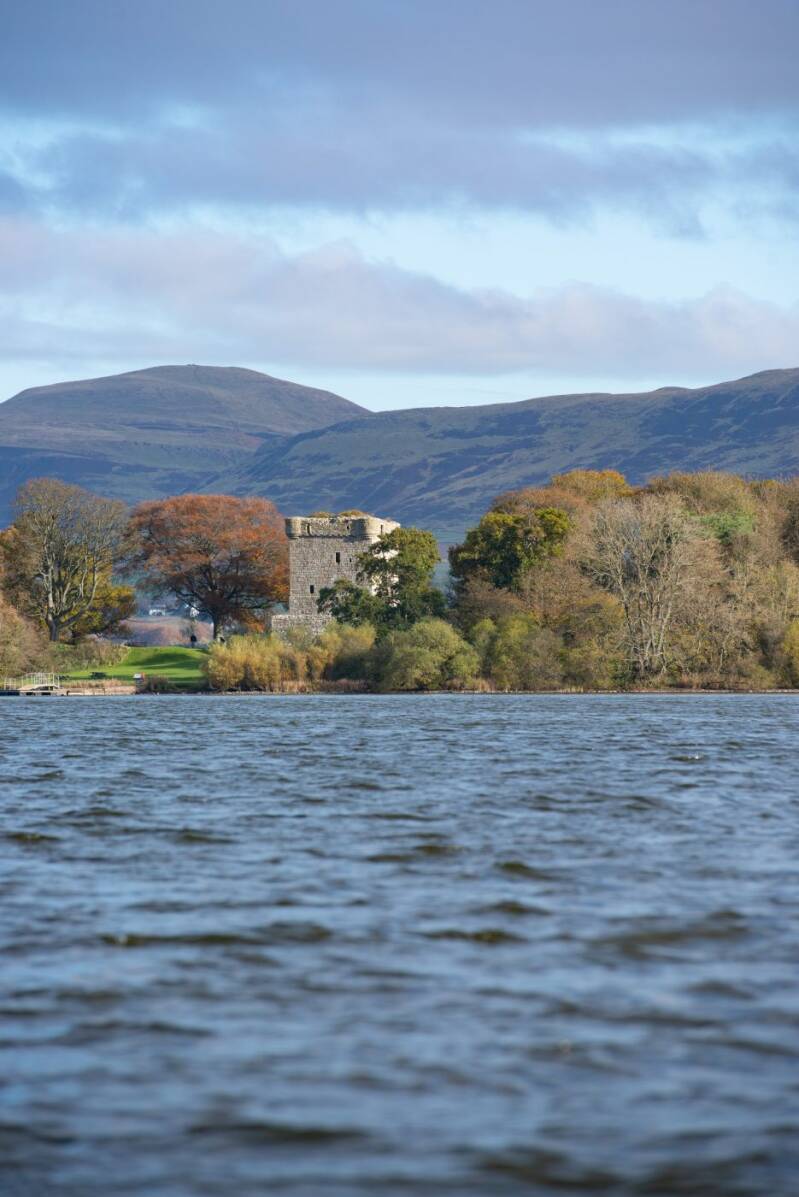
📍 Location: Kinross, Perth & Kinross
🐟 Target species: Wild brown trout and pike
🎣 Popular methods: Fly fishing for brown trout; pike fishing from the fishery boats
📅 Best time: Brown trout season runs from 15 March 2026 into the autumn. Pike fishing has its own seasonal restrictions, so check the current rules before booking.
🎟️ Fishing: Boat fishing only — there is no bank fishing. Brown trout fishing is fly only.
About Loch Leven
Loch Leven is one of Scotland’s best-known wild brown trout fisheries and is famous for its distinctive Loch Leven brown trout. The loch covers more than 3,600 acres and offers anglers a unique boat-fishing experience surrounded by beautiful Perthshire scenery.
Brown trout fishing is fly only and takes place from the fishery’s boats, with no bank fishing permitted. Pike fishing is also available, subject to the fishery’s seasonal rules and guidelines.
🎣 FLOAT & FLY TIP
Boat positioning can make a huge difference on a big loch.
Rather than simply casting in one area, pay attention to wind direction, depth, weed beds and where fish are likely to be feeding. Let the conditions help you decide where to search.
RIVER TAY - PERTHSHIRE
📍 Location: Perthshire, Scotland
🐟 Target species: Atlantic salmon, sea trout, brown trout and grayling
🎣 Popular methods: Fly fishing, spinning and, on some beats, boat fishing/harling. Methods vary by individual beat.
📅 Season: The Tay and its tributaries generally run from 15 January to 15 October. The Earn and Eden have different seasons. Always check the rules for the specific beat before fishing.
🎟️ Permits: Fishing is controlled by individual fisheries and beats. Permits can be booked through various providers, including FishPal.
About the River Tay
The River Tay is one of Scotland’s most famous salmon rivers, flowing through the heart of Perthshire before reaching the North Sea. Its extensive catchment offers a huge variety of fishing, from traditional fly water to beats where spinning and boat fishing are permitted.
The river is managed through a network of individual fisheries, with each beat potentially having its own fishing methods, hours, permit arrangements and local rules. Anglers should always check the conditions applying to the particular beat they intend to fish.
🎣 FLOAT & FLY TIP
On a big river like the Tay, water conditions matter.
Don’t choose your approach purely by the calendar. River height, temperature, clarity and weather can dramatically change how fish behave.
Watch the river, speak to the local ghillie or fishery and adapt your tactics to the conditions.
FISH RESPONSIBLY
The Tay District Salmon Fisheries Board promotes catch and release as an important part of salmon conservation. Anglers should follow current conservation measures and the specific rules of the beat they’re fishing.
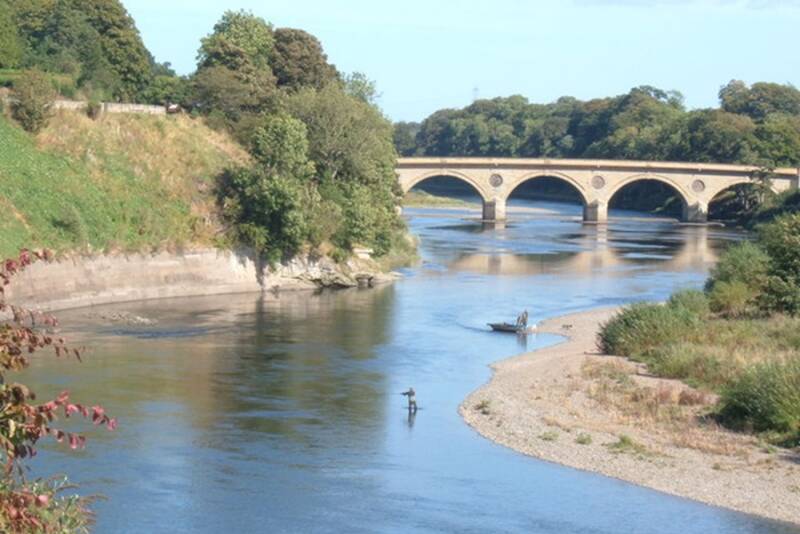
RIVER TWEED - SCOTTISH BORDERS
Location: Scottish Borders — from the upper Tweed around Peebles through to Kelso and Berwick-upon-Tweed.
Target species:
- Atlantic salmon
- Sea trout
- Brown trout
- Grayling
Popular methods: Fly fishing and spinning, depending on the individual beat and current regulations. Some beats are fly-only, so anglers need to check the rules for the exact water they intend to fish.
Best time:
The season varies depending on species and individual fishery. For example, Peeblesshire Trout Fishing Association waters run from 1 April to 30 September for trout, while grayling fishing runs from 1 January to 30 September.
Permits:
Fishing is controlled by individual associations, estates and beats. Permits can be found through FishPal, while some local waters have their own booking arrangements.
About the River Tweed
The River Tweed is one of Scotland’s best-known salmon rivers and runs through some spectacular Borders countryside. From the upper river around Peebles to the famous salmon beats around Kelso, there is a huge variety of fishing available.
For anglers looking for trout and grayling rather than salmon, the Peeblesshire section is particularly interesting, with around 23 miles of Tweed fishing plus 5 miles of the Lyne Water available through the Peeblesshire Trout Fishing Association, subject to its rules and private stretches.
🎯 Float & Fly Tip
Don’t judge the Tweed by the river alone — judge the conditions.
Water height, colour and temperature can completely change how the river fishes. On salmon water, speak to the ghillie or fishery staff before starting and find out where fish have been seen.
For trout and grayling, look for runs, glides and deeper pools, and adjust your fly and presentation to the water rather than sticking rigidly to one method.
🐟 Conservation
The Tweed has specific conservation measures and anglers must follow the rules applying to their particular beat. Salmon and sea-trout regulations can differ depending on the time of year and section of river, so always check the current conditions before fishing.
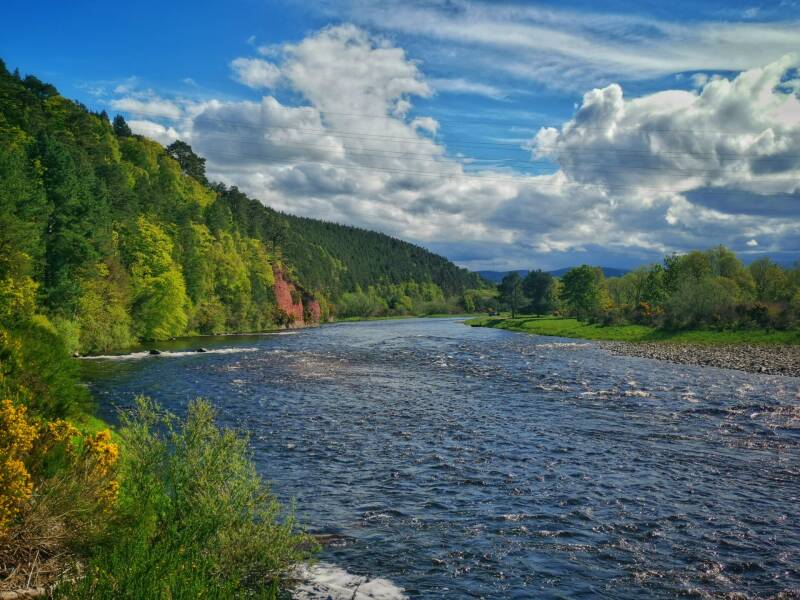
RIVER SPEY - MORAY & HIGHLAND
Location: Highlands and Moray, Scotland
Target species:
Atlantic salmon, sea trout, brown trout and pike. Different stretches have different species and rules.
Popular methods:
Fly fishing is particularly associated with the Spey, although some beats permit spinning at the discretion of the fishery or ghillie. Always check the rules for the individual beat before fishing.
Best time:
The season depends on the individual fishery and species. For example, Badenoch Angling Association waters list salmon, sea trout and brown trout from 15 March to 30 September, with salmon and sea trout fishing prohibited on Sundays on those waters.
Permits:
Fishing is controlled by individual fisheries, estates and angling associations. FishPal is a useful place to find available Spey beats and permits.
About the River Spey
The River Spey is one of Scotland’s best-known salmon rivers, running through the spectacular landscapes of the Highlands and Moray before reaching the Moray Firth.
The river offers a wide variety of fishing, from upper Spey waters around Badenoch to famous lower-river beats around places such as Craigellachie. Individual fisheries can have very different rules, access arrangements and methods, so checking the exact beat before travelling is essential.
🎯 Float & Fly Tip
Let the river conditions dictate your approach.
Keep an eye on water height, colour and temperature and be prepared to change your tactics. On salmon water, speaking to the ghillie before starting can give you valuable information about current conditions and where fish have been showing.
For trout and other freshwater fishing, concentrate on runs, pools and deeper holding water, adjusting your fly and presentation as conditions change.
🐟 Conservation
The Spey has a strong conservation focus, with individual fisheries operating their own rules alongside wider Scottish regulations. Always check the current rules for the specific beat you’re fishing and follow its catch-and-release requirements.
Create Your Own Website With Webador