England
From legendary chalk streams and wild rivers to huge reservoirs, carp lakes and productive coarse-fishing waters, England offers something for every angler.
Here at Float & Fly, we’re exploring some of the country’s best fishing destinations, bringing you useful information on where to fish, what species to target, permits, fishing methods and tips to help you make the most of your time on the water.
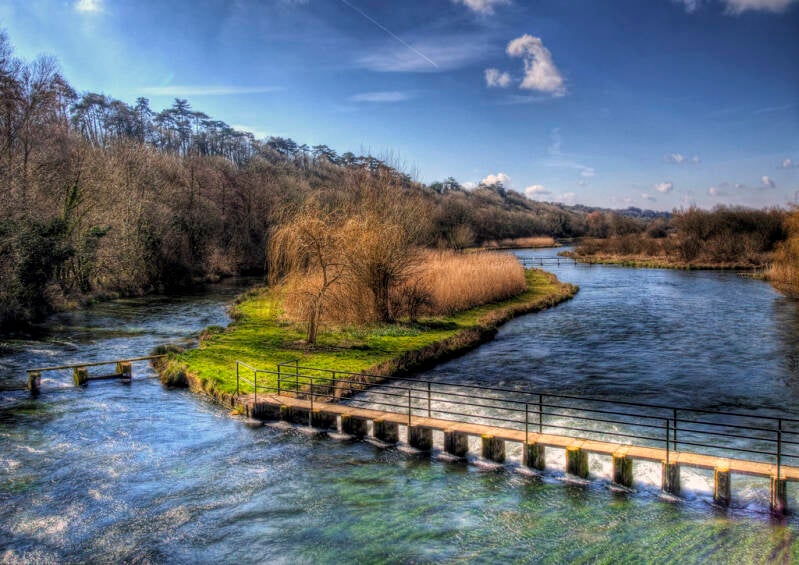
River Test — Hampshire
Location: Hampshire, Southern England
Target species: Brown trout, grayling, salmon and sea trout.
Popular methods: The River Test is famous for upstream dry-fly fishing and nymph fishing. On many trout beats, anglers sight individual fish in the clear water before presenting a fly upstream. Rules vary between fisheries and beats.
Best time: The official trout season opens 1 April, although many individual fisheries don’t open until late April or 1 May and generally close in early October. Grayling fishing runs from 16 June to 15 March. Always check the individual fishery before travelling.
Permits & licence: Fishing rights are controlled by individual fisheries and landowners, so anglers need permission or a fishing permit for the particular stretch. In England, anglers also generally require an appropriate Environment Agency rod fishing licence for freshwater fishing.
About the River Test
The River Test is one of England’s most famous chalk streams and is internationally renowned for its trout fishing. It flows for around 39 miles through Hampshire, passing areas including Whitchurch, Stockbridge and Romsey before reaching Southampton Water.
Its clear chalk water, weed beds and abundant insect life create superb conditions for brown trout. The middle and upper reaches became particularly important in the development of modern dry-fly fishing, with figures including Frederic Halford and George Marryat associated with the river’s angling history.
🎯 Float & Fly Tip
Stealth is everything on the Test.
The clear water means trout can be remarkably easy to spook. Take your time, watch the water before casting and look for rising or feeding fish.
Rather than constantly covering water, try to spot your fish first and make the cast count. Accurate presentation can be far more important than repeatedly changing flies.
🐟 Conservation
The Test is a particularly valuable chalk-stream environment, and both the Test and Itchen are designated Sites of Special Scientific Interest (SSSI). Individual fisheries may also temporarily suspend fishing while weed management takes place.
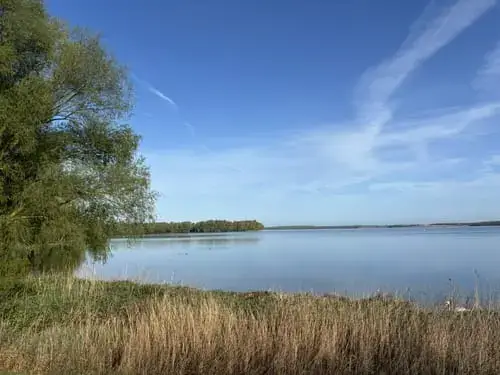
Grafham Water — Cambridgeshire
Location: Cambridgeshire, East of England
Target species: Rainbow trout, pike, perch and zander.
Popular methods: Fly fishing from the bank or boat for trout, with predator fishing available from boats during the relevant seasons.
About Grafham Water
Grafham Water is one of England’s major fishing reservoirs and offers anglers the chance to target both trout and predators.
The trout fishery operates from 7 March 2026 to 31 January 2027, with fly fishing available from both the bank and boat. Day permits are available for different styles of fishing, including catch-and-release options.
For predator anglers, Grafham offers fishing for pike, perch and zander, with the available methods and dates depending on the time of year. Predator fishing is boat-based.
🎯 Float & Fly Tip
Don’t overlook the wind.
On a big reservoir like Grafham, wind direction can help determine where food and fish are likely to concentrate. Watch the surface, look for signs of feeding activity and don’t be afraid to change depth when the fish aren’t showing.
🎫 Permits & Licence
You’ll need a Grafham Water fishing permit, and anglers fishing in England also require the appropriate Environment Agency rod licence. The fishery has its own rules, seasons and permit conditions, so check these before travelling.
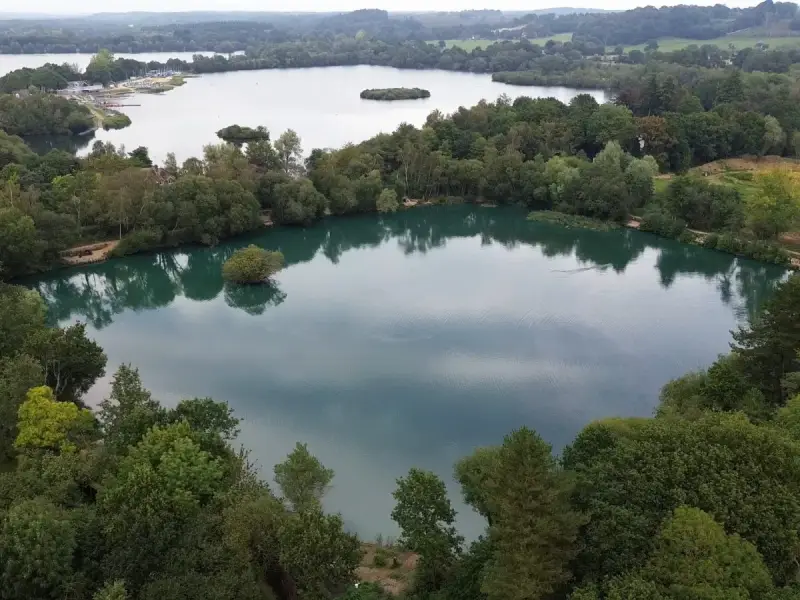
Linear Fisheries — Oxfordshire
Location: Oxfordshire, South East England
Target species: Carp, with tench, pike, perch, roach, rudd, bream and catfish also present across the waters.
Popular methods: Carp fishing using boilies, particle baits, spod/spomb approaches, surface fishing and zig rigs depending on conditions and the individual lake. Linear specifically notes that surface and zig fishing can be effective during warmer months.
About Linear Fisheries
Linear Fisheries is a large complex of day-ticket and syndicate waters in the Oxfordshire countryside, offering anglers a choice of different lakes and fishing styles. The complex has a reputation for producing large carp, with some waters holding fish above 50lb.
One example is Oxlease Lake, a 26-acre water where Linear currently estimates around 1,600 carp, including numerous fish over 30lb and several 40lb-plus carp.
The complex also has an on-site tackle and convenience shop, making it particularly useful for anglers travelling for longer sessions.
🎯 Float & Fly Tip
Don’t automatically fish where everyone else is fishing.
Take time to watch the water before setting up. Look for showing carp, bubbling, fizzing, cruising fish or signs of feeding activity.
Once you’ve found the fish, build your tactics around them rather than forcing the fish to come to your bait.
🎫 Permits & Booking
Linear has multiple day-ticket waters. Its main day-ticket lakes operate without a traditional close season, although individual waters have their own rules and conditions. Some of the newer Tar Farm waters require advance booking. Always check the current rules and booking arrangements before travelling.
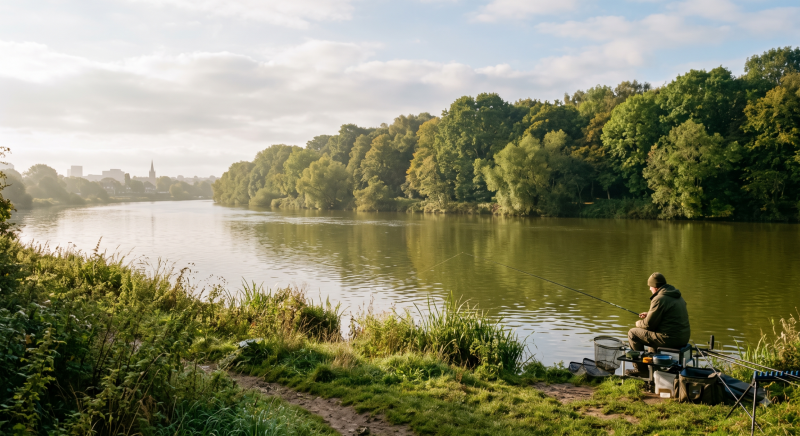
River Trent — Nottinghamshire & the Midlands
Location: Nottinghamshire and the wider Midlands
Target species: Barbel, chub, bream, carp, roach, perch, pike and other coarse species. The Trent has a wide variety of river environments, from faster gravel runs to deeper stretches and tidal water.
Popular methods: Feeder fishing, ledgering and float fishing are popular approaches, with heavier feeder tactics particularly useful on stronger-flowing stretches where barbel are the target.
About the River Trent
The River Trent is one of England’s great coarse-fishing rivers and runs through the heart of the Midlands. Nottinghamshire has numerous stretches available through angling associations and fisheries, giving anglers plenty of different types of water to explore.
The river is particularly well known for barbel, while bream, chub, carp, roach and other coarse species provide plenty of variety. Some stretches, including the tidal Trent, offer a very different challenge as anglers have to deal with powerful flows and changing water conditions.
🎯 Float & Fly Tip
Find the flow and you’ll often find the fish.
Look for changes in depth, gravel runs, slack water and areas where the current breaks around features. For barbel, don’t be afraid to use robust tackle and a feeder capable of holding bottom.
On unfamiliar stretches, spend some time watching the river before choosing your peg.
🎫 Permits & Licence
You’ll need permission from the relevant fishery, club or landowner to fish the particular stretch. England also requires an Environment Agency rod fishing licence.
Remember that the statutory coarse-fishing close season applies to rivers in England from 15 March to 15 June, although individual waters can have additional rules.
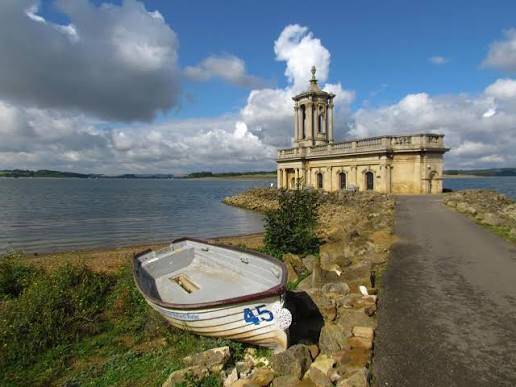
Rutland Water — Rutland
Location: Rutland, East Midlands
Target species: Trout and other freshwater species, with fishing forming part of the reservoir’s recreational offering.
Popular methods: Fly fishing is particularly associated with Rutland Water, with both bank and boat fishing available through the fishery.
About Rutland Water
Rutland Water is one of England’s most recognisable fishing destinations and is a huge reservoir surrounded by countryside, woodland and nature reserves.
The reservoir was created in the 1970s and has developed into an important wildlife site as well as a major recreational destination. Angling is one of the activities offered at the reservoir alongside walking, cycling and watersports.
For anglers, the scale of the water makes it an interesting challenge. Conditions, wind direction and fish location can all play a major part in your day’s fishing.
🎯 Float & Fly Tip
Let the conditions dictate your approach.
On a large reservoir, don’t simply stick with the same depth or retrieve all day.
Watch the wind, look for signs of feeding fish and adjust your depth and retrieve speed. If you’re fishing from a boat, moving water and changing areas can make a huge difference.
🎫 Permits & Licence
Fishing is managed through the fishery, so check the current permit, season and fishery rules before travelling. Anglers fishing in England also need the appropriate Environment Agency rod licence.
Rutland Water is also an important wildlife site, so anglers should take care around protected areas and follow all local regulations.
Create Your Own Website With Webador